

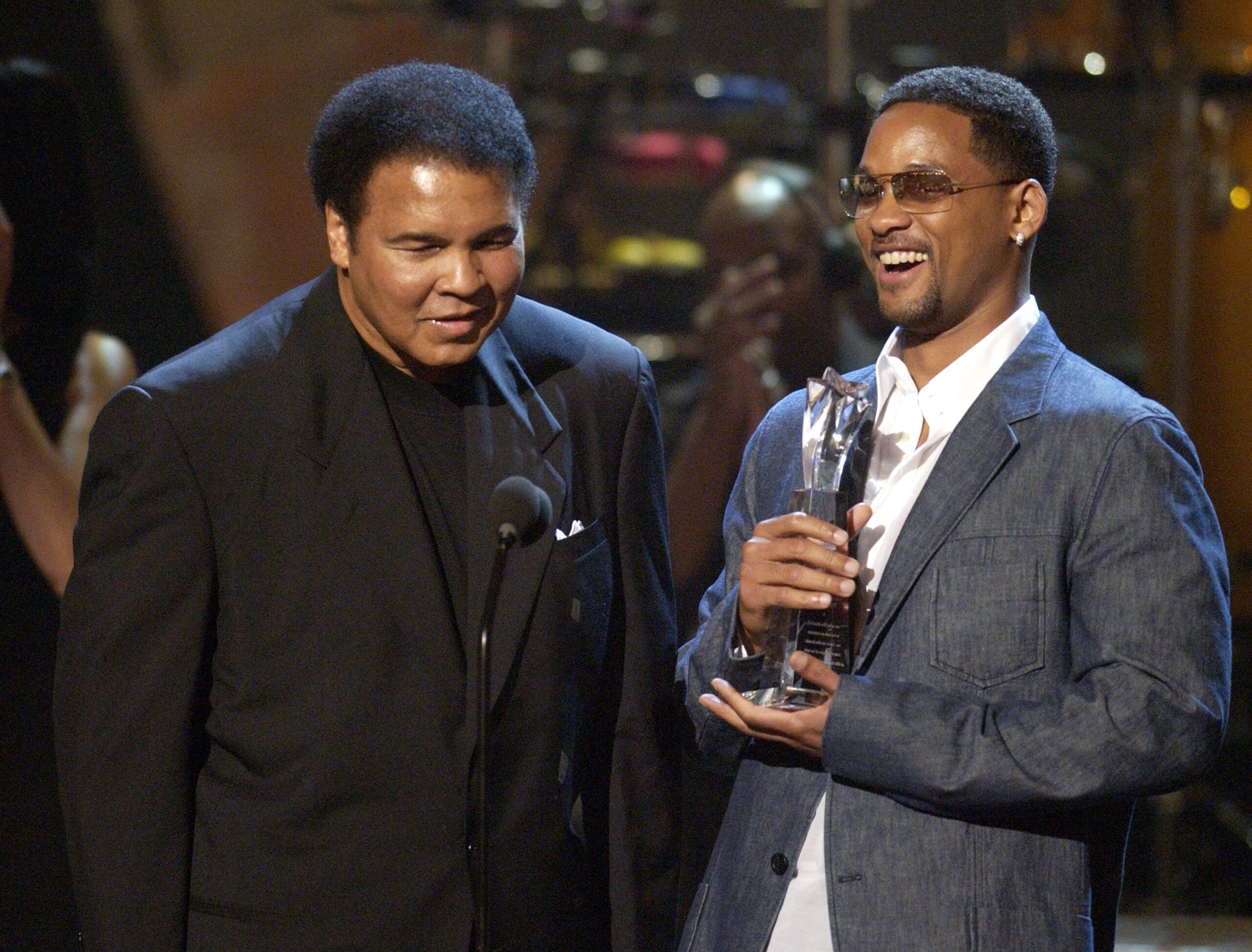
A considerable number of people—though students of human behavior such as psychologists and sociologists are well aware of the answer—have at times wondered why so many individuals who view boxing as a brutal and primitive practice set aside that sense of rejection when they walk into a movie theater or watch it on television. In those settings, they are entertained and even cheer with excitement while watching a “staged” fight unfold on screen. However, the same does not occur when what they are watching are documentaries about the sport, which they often meet with an almost puzzling indifference.
Spanish writer Pablo Mérida, in his book Boxing in Cinema 1894–1994, offers a simple explanation to this question—though there may be others. According to Mérida, it is because audiences understand that what they are seeing in a film belongs to the realm of fiction, of fantasy, and yet they still become emotionally engaged. In contrast, they tend to reject real-life events when presented in a factual context.
Although what follows is not directly tied to the previous lines, it is worth noting—and reiterating—that boxing is, as we once stated in an article published long ago, the sport with the most extensive presence on the silver screen, dating back almost to the very birth of the film industry itself. As is well known, cinema was the creation of the French brothers Auguste and Louis Lumière, who patented their invention on February 13, 1895, and later produced their first motion picture, Workers Leaving the Lumière Factory in Lyon, a silent film, of course, which was screened before a small audience on March 12 of that same year, just days after it was shot.
On the subject, Mérida recounts that when Thomas Alva Edison—inventor of the kinetoscope and the kinetograph (along with the phonograph and the practical incandescent light bulb, among dozens of other innovations)—joined forces with fellow scientist William K.L. Dickson, they laid the groundwork for what would eventually become boxing on film. The result was the first motion picture centered on the sport of boxing, titled The Leonard-Cushing Fight, whose rudimentary filming began on June 15, 1894, and was exhibited months later at a venue on 83rd Street in New York. “None of those involved in the filming, nor any newspaper, provided a clear account of how the bout ended… (yet) boxing in cinema had become a reality.” (*)
From that moment to the present day, hundreds—indeed, thousands—of both real and fictional fights have been portrayed on film. Among real-life figures, the legendary Muhammad Ali stands as the boxer most frequently featured as a central subject in documentaries such as When We Were Kings, Ali: The Greatest, Facing Ali, and I Am Ali (2014), in addition to the well-known feature film Ali, in which actor Will Smith portrayed the man widely regarded as the most famous boxer of all time.
We promise to return in a future installment with a second part to this fascinating story, offering a deeper and more detailed look into the subject.
(*) Op. cit., p. 19. Editorial Laertes S.A., 1995.